Natural disasters, often unimaginable forces of nature, have sculpted the Earth's landscape and history. From fiery eruptions to towering waves, each event is unique and demands our understanding and respect. Let's embark on a journey to explore five different natural disasters that have shaped our world.
These phenomena are not isolated incidents; they occur on a spectrum, each with its own frequency and impact. Understanding them can help us better prepare for and mitigate their effects. So, buckle up as we dive into the fascinating realm of natural disasters.
Geological Disasters: Earthquakes and Volcanic Eruptions
Our planet's restless interior sometimes manifests in dramatic ways, resulting in earthquakes and volcanic eruptions. These geological titans are among the most powerful natural disasters, reshaping landscapes and lives instantaneously.


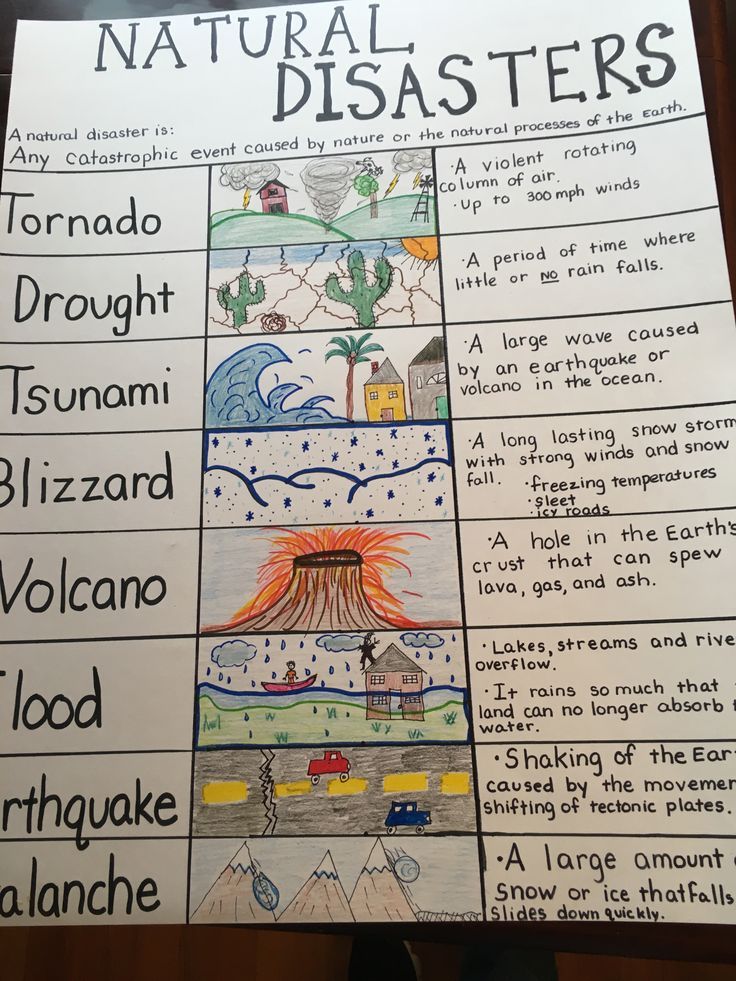
Earthquakes, the sudden trembling of the Earth's crust, are measured by their magnitude on the Richter scale. The 1960 Valdivia earthquake in Chile, measuring 9.5, stands as the most powerful ever recorded. Tectonic plates colliding and slipping against each other cause these seismic shocks. They can trigger devastating secondary effects, such as tsunamis.
Volcanic Eruptions: Powerful Ejaculations of Fire and Ash
Volcanoes, the chimneys of the Earth, spew out molten rock, gas, and ash in dramatic displays of nature's might. The 1883 eruption of Krakatoa in Indonesia was so powerful that it formed a new island, permanently raised the global temperature, and caused 'volcanic winter' across the globe.


The 1980 eruption of Mount St. Helens in the United States, which covered the surrounding areas in ash and debris, serves as a stark reminder of the devastation volcanoes can cause. The pyroclastic flows, composed of gas and rock, can travel at supersonic speeds, consuming everything in their path.
Atmospheric and Hydrological Disasters: Hurricanes and Floods
The atmosphere and hydrosphere work in tandem, sometimes with disastrous results. Hurricanes, forming over warm ocean waters, unleash cyclonic winds, storm surges, and torrential rainfall. Floods, on the other hand, can be caused by excessive runoff, overwhelmed water systems, or burst dams.
Hurricane Katrina, which struck the United States in 2005, serves as a chilling reminder of a hurricane's potential destructiveness. The storm surge and flooding caused by heavy rainfall led to catastrophic damage, estimated at $125 billion, making it one of the most costly natural disasters in U.S. history.


Floods: Nature's Most Common Disaster
Floods, a leading cause of mortality and economic loss worldwide, are a inevitable consequence of heavy rainfall and snowmelt. The 1931 China floods, devastating the Yellow River basin, displaced over 9 million people and resulted in an estimated 3.7 million deaths.
From the 1993 Mississippi River flood in the United States to the 2011 Thailand floods, these aquatic onslaughts wreck havoc on lives and property, often causing long-lasting environmental damage. Understanding how to minimize and manage flooding risks is a crucial challenge for many communities around the world.
Climatic Disasters: Freeze-Thaw Cycles and Wildfires
Climate, the long-term weather patterns in a region, can also bring devastation. Freeze-thaw cycles, common in areas with repeated snow and ice, can cause frost heave, damaging infrastructure and disrupting ecosystems. Wildfires, while sometimes beneficial for forest rejuvenation, can also be devastating, driven by drought, wind, and human activity.


The 2003 European heatwave, dubbed the "summer of death," led to over 70,000 heat-related deaths, while the 2010 Russian wildfires caused an estimated $15 billion of damages and released massive amounts of pollutants into the atmosphere.
Freeze-Thaw Cycles: Nature's Hidden Destroyer
Freeze-thaw cycles, while not as dramatic as other disasters, cause insidious but significant damage. The repetitive freezing and thawing causes frost heave, where the ground swells and contracts, damaging infrastructure and endangering lives. Understanding and mitigating these effects is crucial for communities in cold regions.
From the Great Alaska earthquake in 1964 to the 2011 Tohoku earthquake and tsunami in Japan, each natural disaster is unique, yet all share a common thread: they are symptoms of our dynamic, ever-changing planet. As we learn to understand and respect these powerful forces, we can better safeguard our lives and communities.